Hearth and Hamlet Workers Tier List
Who to assign first so food, wood, stone, gold, and guards stay balanced.
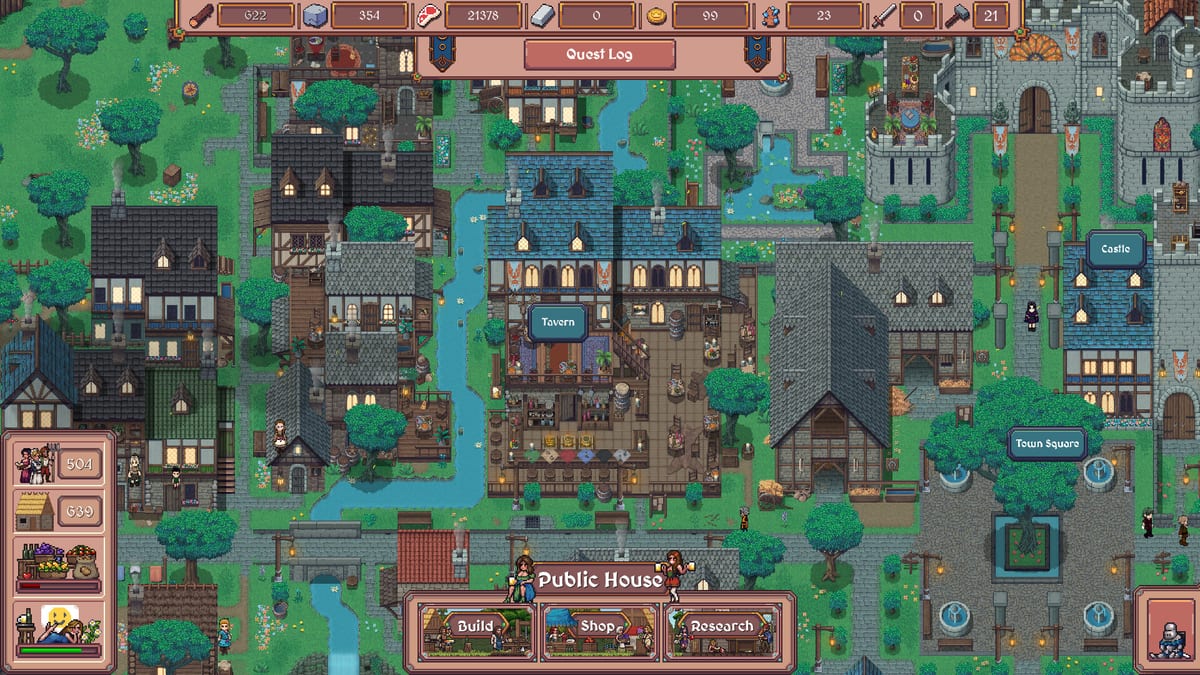
Workers turn Hearth and Hamlet from a clicker into a kingdom. This workers tier list ranks job allocation priority for the shipped single-player campaign after the August 19, 2026 Steam release. For numeric early/mid ratios you can copy, open the worker planner. For resource definitions, see resources. For unlock order of workplaces, see buildings tiers.
Official materials emphasize assigning population to gather food, wood, stone, and gold while policies, happiness, raids, trade, and magic reshape what good staffing means. Your best allocation today may be wrong after the next demo polish pass—public updates have already adjusted worker quantities for pacing—so rank jobs by the bottleneck you can see in the stockpile panel.
Tier criteria for jobs (not people)
- S: Jobs that prevent starvation or unlock the next construction wave.
- A: Jobs that remove mid-game material gates (especially stone) and stabilize wood.
- B: Happiness-facing and gold-facing work once basics are green.
- C: Trade specialists and flex crafts when surplus exists.
- D: Experimental magic labor before the settlement can afford idle curiosity.
Idle citizens are not automatically bad in a cozy incremental game, but idle citizens while food is falling are an emergency.
S tier — feed the camp, then fuel the builds
Food gatherers (fishing and related)
Food workers are S tier from the first minutes. Population growth, happiness tolerance, and every ambitious building plan assume a positive food curve. If the meter trends down, pull people off vanity jobs immediately. Manual hold-to-gather can temporarily help—see controls—but sustained play needs assigned food labor.
Wood crews
Woodcutters are co-S with food in the early camp. Tents, public structures, and almost every expansion step spend timber. A common demo failure is over-investing in stone dreams while wood income is still a trickle. Keep wood workers high until construction queues stop stalling.
Temporary click-gather as a priority action
When you are waiting for the next housing or research tick, spending your own attention on hold-gather for the scarcest resource is an S-tier player action even though it is not a job slot. Use it to bridge gaps, not to replace staffing forever.
A tier — mid demo materials and leadership support
Stone workers / quarry crews
Promote quarry labor to A as soon as stone buildings dominate the unlock list. Mid progression without stone staffing feels like running in mud. If stone piles unused while wood is zero, you overshot—rebalance using the tables on the worker planner.
Builders and construction-adjacent assignments
When the game exposes dedicated construction or haul-style roles, treat them as A during expansion bursts. A quarry that fills while buildings never finish is a logistics problem, not a mining problem.
Civic support around the chief / public house
Leadership buildings unlock policies and research comfort. Staffing that keeps those buildings meaningful—whether through direct assignments or by freeing population via better efficiency—is A tier in mid demo. A chief house with a starving workforce is just expensive scenery.
B tier — gold, happiness, and soft power
Gold-focused workers
Gold jobs rise to B when upgrades, taxes, or trade demand coin and your food/wood/stone lines are no longer panicking. Ranking gold S too early creates a shiny treasury beside empty plates. Confirm sinks on resources before shifting a third of the town into coin.
Tavern and happiness-linked roles
Happiness boosts production across the board. Workers who enable tavern uptime or other morale buildings are B tier once crowding or tax policies bite. Pair with policies so you are not drafting harsh laws without a morale plan.
B+/A situational — guards when raids loom
Guard drafts and military staffing
Guards are the big situational promotion. Early on they can sit behind production. The moment raids, monsters, or wildlife threaten, guard staffing jumps toward A or even temporary S. Losing gatherers to a raid is worse than delaying a quarry by ten minutes. Build the guard house first, then move people—not the reverse.
Draft policies can pull population automatically; read the happiness cost before you max every martial law toggle.
C tier — trade and specialty labor
Trade route workers
Faraway trade is a storefront fantasy pillar. Staff trade only when local surplus is real. C-tier trade labor that exports your last food reserves is self-sabotage dressed as diplomacy.
Specialty crafters
Niche production jobs that feed later research are C until the relevant research node is actually your next goal.
D tier — magic labor too early
Academy and alchemy assignments
Magic workers are D tier in early/mid priority. They become reasonable after storage, happiness, and defense are stable and research has opened the branch. The full release on August 19, 2026 expanded magical economies; still practice mundane ratios so experiments do not collapse the food line.
Early allocation philosophy
- Food until the curve is clearly positive.
- Wood until construction stops stuttering.
- Enough housing growth that new citizens appear.
- Stone once masonry buildings matter.
- A thin gold crew when upgrades demand it.
- Guards on threat, not on vibes alone.
- Happiness staff when penalties show.
- Magic last.
Mid allocation philosophy
Mid demo is about rebalancing, not forever locking ratios. Demo updates have changed worker quantities for feel—so if your old perfect split underproduces food after a patch, trust the stockpiles. Keep a flexible 10–20% of workers as a swing crew you can throw at whichever bar is emptiest.
Use this mental model:
- If food drops → swing to food, pause gold.
- If wood drops during a build wave → swing to wood, delay fortifications.
- If stone gates every unlock → swing to quarry.
- If raids announce themselves → swing to guards, accept slower builds.
- If happiness tanks after taxes → swing to tavern/public support or ease policies.
Linking tiers to tools and systems
- Copy starting ratios from the worker planner.
- Verify building workplaces on the buildings overview.
- Align tech with jobs via research tiers.
- Prepare hardware and launch timing with system requirements and release date.
Honest scope note
Hearth and Hamlet is a single-player cozy incremental citybuilder with a Steam demo you can still sample. Worker tiers here are coaching for the live campaign. They are not multiplayer meta advice—there is no multiplayer mode to optimize for. Master the food-wood-stone dance, and the shipped build will feel like a kingdom instead of a second tutorial.
When in doubt, open the stockpile panel, identify the first resource that would hit zero in the next few minutes, and treat that job as S tier until the crisis ends. That single habit beats any static chart.
Frequently Asked Questions
Quick answers to the most common questions.
How many workers should gather food early?
Enough to keep food trending up while population grows. Exact counts vary—use the worker planner tables as starting ratios.
When do I move people onto stone?
After food and wood are stable and masonry buildings become your next unlock gate.
Should guards be staffed from the start?
Not usually. Promote guard jobs when raids or wildlife pressure appear, then pull from non-food crews first.
Why did my old worker split stop working?
Demo polish has adjusted worker quantities and pacing. Rebalance from live stockpiles instead of memorized percentages.
Where can I practice before the full release?
Play the Steam demo on Windows or Linux, then follow the launch checklist ahead of the planned August 19, 2026 unlock.